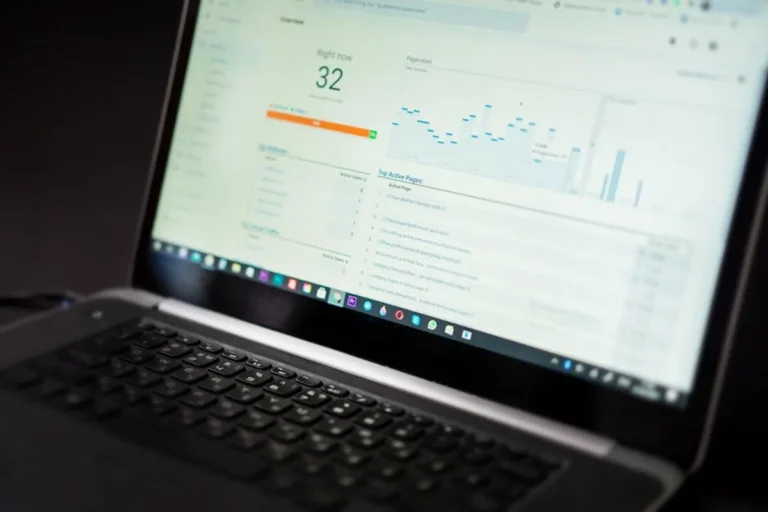
In the dynamic landscape of search engine results pages (SERPs), visibility is not static. Algorithm updates, new content from competitors, and shifting user intent can alter keyword rankings hourly. For SEO professionals, marketers, and site owners, relying on weekly or even bi-weekly rank checks means operating with outdated information, hindering timely strategic adjustments. Daily SERP position monitoring provides the granular, real-time data necessary to understand performance fluctuations immediately, enabling proactive decision-making that sustains and improves organic search presence.
This level of consistent insight moves beyond passive observation, transforming rank tracking into an active strategic tool. It's about detecting shifts as they happen, identifying both threats and opportunities before they escalate or dissipate. The decision to implement daily tracking is a commitment to agility in SEO, ensuring that your strategy is always informed by the freshest available data.
What Defines Daily SERP Position Monitoring?
Daily SERP position monitoring involves systematically checking and recording a website's ranking for a predetermined set of keywords on a 24-hour cycle. This contrasts with less frequent tracking methods that might update rankings weekly, monthly, or on demand. The core value lies in its immediacy and the high-resolution view it provides of keyword performance.
Key characteristics include:
- Consistent Data Capture: Rankings are pulled at least once every 24 hours, often at a fixed time, to ensure comparability.
- Granularity: Beyond just the top position, daily tracking records the exact placement for each tracked keyword, often across multiple search engines and device types (desktop, mobile).
- Historical Record: Each daily data point contributes to a rich historical dataset, allowing for trend analysis and performance comparisons over time.
- Contextual Insights: When integrated with analytics data, daily rank changes can be correlated with traffic shifts, conversion rates, and other site performance metrics.
The Strategic Imperative of Daily Rank Data
Daily rank tracking isn't merely a reporting function; it's an operational necessity for competitive SEO environments. The speed of data allows for a level of responsiveness impossible with less frequent updates.
Responding to Algorithm Volatility
Search engine algorithms are in constant flux, with minor tweaks and major core updates capable of altering SERPs overnight. Daily monitoring provides immediate feedback on the impact of these changes. If rankings for a cluster of keywords suddenly drop, daily data highlights the shift within 24 hours, signaling a potential algorithm effect or a technical issue. This rapid detection allows teams to investigate, diagnose, and implement corrective measures before significant traffic or revenue loss occurs.
Uncovering Competitive Opportunities
Competitors are not static. They launch new content, optimize existing pages, and build new backlinks. Daily rank tracking reveals when a competitor gains or loses ground for shared keywords. This insight allows you to:
- Identify emerging competitors in your niche.
- Spot keywords where competitors are vulnerable due to ranking drops.
- Benchmark your content performance against rivals more accurately.
- Discover new keyword opportunities based on competitor gains.
Validating Content & Technical SEO Efforts
Every content update, technical optimization (like schema markup implementation or site speed improvements), or link-building campaign aims to improve search visibility. Daily rank tracking provides near real-time validation of these efforts. Did that new blog post immediately start ranking for its target keywords? Did the technical audit and fixes lead to a bump in positions? This immediate feedback loop is crucial for iterating on SEO strategies and proving ROI for specific initiatives.
Local SEO Nuances
For businesses with a local focus, daily rank tracking is even more critical. Local SERPs are highly personalized and can fluctuate based on user location, time of day, and device. Monitoring daily allows businesses to track their local pack and organic rankings, ensuring they maintain visibility in specific geographic areas and respond quickly to local competitive shifts or Google My Business optimization impacts.
Essential Capabilities for Effective Daily Tracking
To maximize the utility of daily SERP rank tracking, the underlying solution must offer specific features that support granular analysis and actionable insights.
Granular Data Segmentation
Effective daily tracking goes beyond a single global rank. It should provide segmentation options for:
- Geographic Location: Track rankings from specific cities, states, or countries.
- Device Type: Differentiate between desktop and mobile rankings.
- Search Engine: Monitor across Google, Bing, and other relevant engines.
- SERP Features: Identify presence in featured snippets, local packs, image packs, and other rich results.
- Specific URLs: Track which specific page on your site is ranking for a keyword.
Historical Performance Archiving
While daily data is immediate, its true power emerges when viewed over time. A robust solution archives all daily data points, allowing for comparisons over weeks, months, or years. This historical context is vital for identifying long-term trends, seasonal fluctuations, and the sustained impact of major SEO campaigns.
Actionable Reporting & Alert Systems
Raw data is not enough. The solution should translate daily changes into clear, customizable reports and provide automated alerts. Notifications for significant keyword drops, new featured snippet acquisitions, or competitor gains enable teams to react without manually checking dashboards daily. Visualizations like trend graphs and comparative charts make complex data understandable at a glance.
Integrating Daily Rank Tracking into Workflow
Daily rank tracking is most powerful when integrated seamlessly into your existing SEO and marketing workflows.
Strategic Keyword Selection
Not every keyword requires daily monitoring. Focus on high-value, high-volume, and strategically important keywords. This includes core money keywords, brand terms, and those critical for specific campaigns. Regularly review and update your tracked keyword list to ensure relevance and efficiency.
Data Integration for Holistic Views
While rank tracking provides visibility, it rarely tells the whole story in isolation. Integrate daily ranking data with other tools and platforms:
- Google Search Console: Correlate rank changes with impressions, clicks, and CTR.
- Google Analytics: Understand how rank shifts translate into organic traffic and conversions.
- CRM/Sales Data: For commercial keywords, link rank performance to direct business outcomes.
Pro Tip: When a significant ranking drop occurs, check your site's technical health immediately. Look for crawl errors, indexing issues, or sudden changes in page speed before attributing the drop solely to algorithm shifts or competitive action. Daily tracking highlights the 'what,' but deeper investigation reveals the 'why.'
Maximizing Your Rank Tracking Investment
To ensure daily SERP rank tracking provides maximum value, treat it as an active intelligence system rather than a passive data feed. Regularly review the automated reports and alerts. Use the insights to refine your content calendar, adjust on-page optimizations, identify new link-building targets, and inform technical SEO priorities. The goal is to create a continuous feedback loop where data informs action, and action is then validated by subsequent daily data. This agile approach to SEO is what transforms raw ranking data into a competitive advantage.
Frequently Asked Questions About Daily Rank Tracking
Why is daily rank tracking considered more valuable than weekly or monthly tracking?
Daily tracking offers real-time visibility into keyword performance fluctuations, allowing for immediate detection of algorithm impacts, competitor moves, or the effects of your own SEO efforts. This speed enables faster strategic adjustments, preventing prolonged drops and capitalizing on opportunities more quickly than less frequent monitoring.
Can daily rank tracking be too much data to manage?
While daily tracking generates a large volume of data, effective solutions provide filtering, segmentation, and automated reporting capabilities. By focusing on key performance indicators, setting up custom alerts for significant changes, and utilizing dashboards, you can manage the data efficiently and extract actionable insights without being overwhelmed.
What types of businesses benefit most from daily SERP position monitoring?
Any business operating in a competitive online landscape benefits, but it's particularly crucial for e-commerce sites, news publishers, local businesses, and agencies managing multiple client campaigns. These entities often experience rapid SERP changes and require immediate data to maintain or improve their organic visibility and market share.
How does daily rank tracking help with competitive analysis?
By monitoring competitor rankings daily alongside your own, you can quickly identify when rivals launch new content, gain traction for specific keywords, or experience drops. This intelligence helps you understand their strategies, benchmark your performance, and uncover new keyword opportunities or content gaps to exploit.